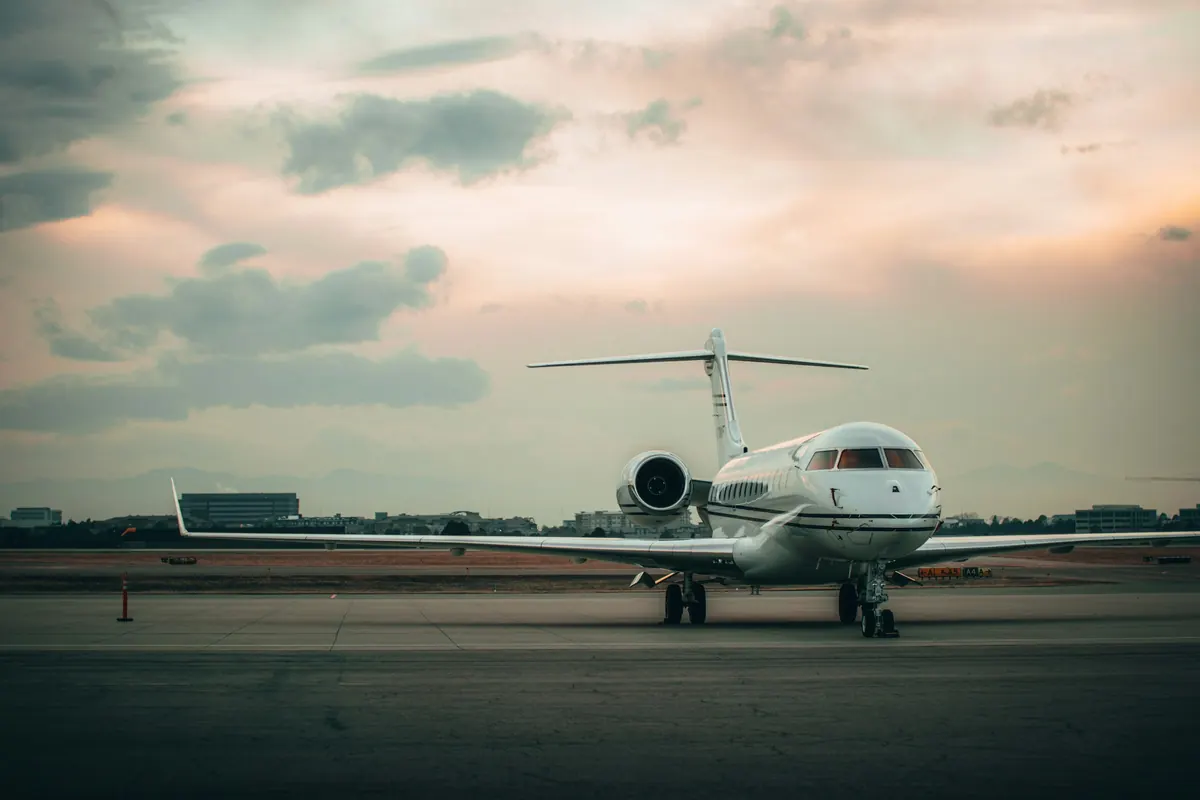
Private jet categories, compared

Seven categories, from turboprops to ultra long range jets. The figures below are typical for each class; your advisor confirms the exact aircraft, seats and range for your trip.

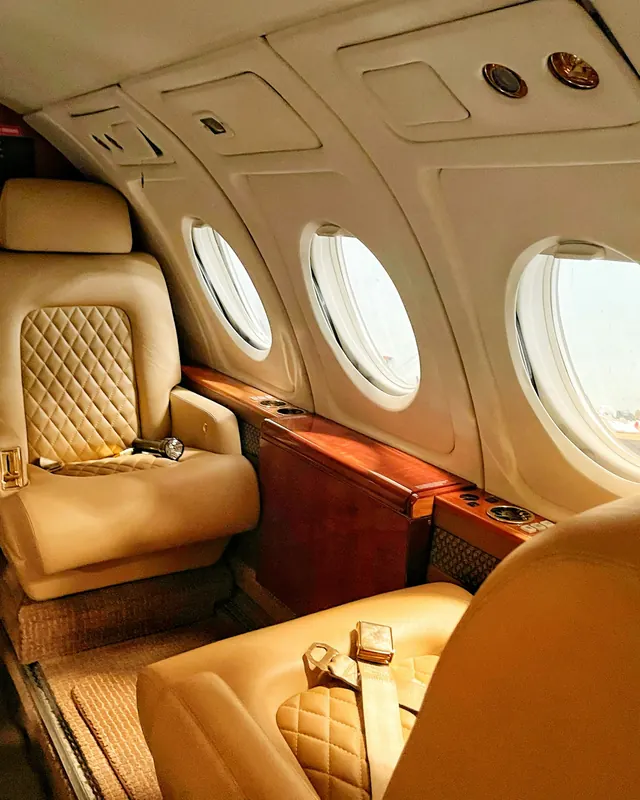
Quilted leather club seats beside the oval windows of a turboprop cabin

Category 01

Turboprop

Typical aircraft: Pilatus PC-12, King Air 350

Seats
6–9
Typical range
~1,800 nm
Cabin height
about 4.8 ft
Per hour, est.
$1,800–3,200

Short regional hops and smaller runways, such as Nantucket and Martha’s Vineyard. The most economical way to fly an hour or two.

Estimate a trip on a turboprop
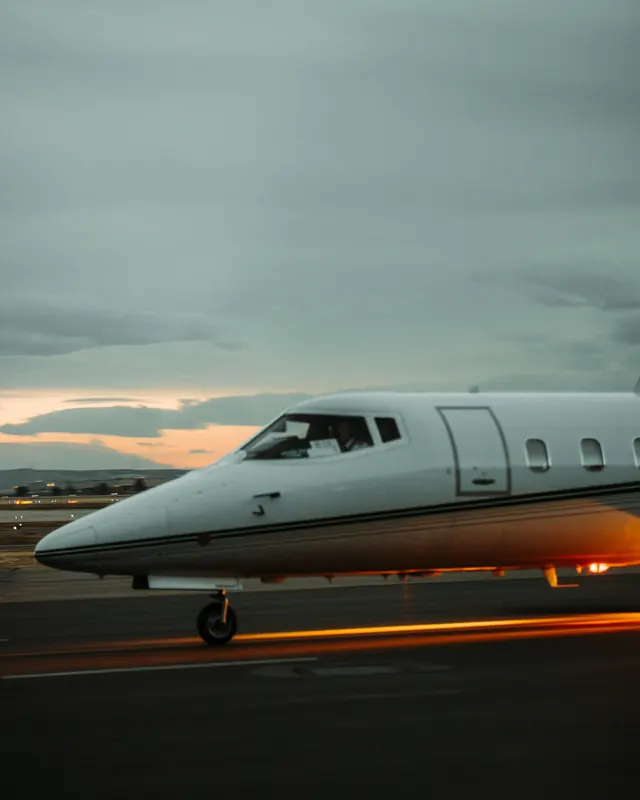
Nose and cockpit windows of a small business jet on a taxiway at dusk

Category 02

Very light jet

Typical aircraft: HondaJet, Citation M2

Seats
4–5
Typical range
1,400–1,550 nm
Cabin height
about 4.8 ft
Per hour, est.
$2,800–4,200

Two to four passengers on trips of up to about two hours, such as Los Angeles to Las Vegas or Boston to Washington.

Estimate a trip on a very light jet
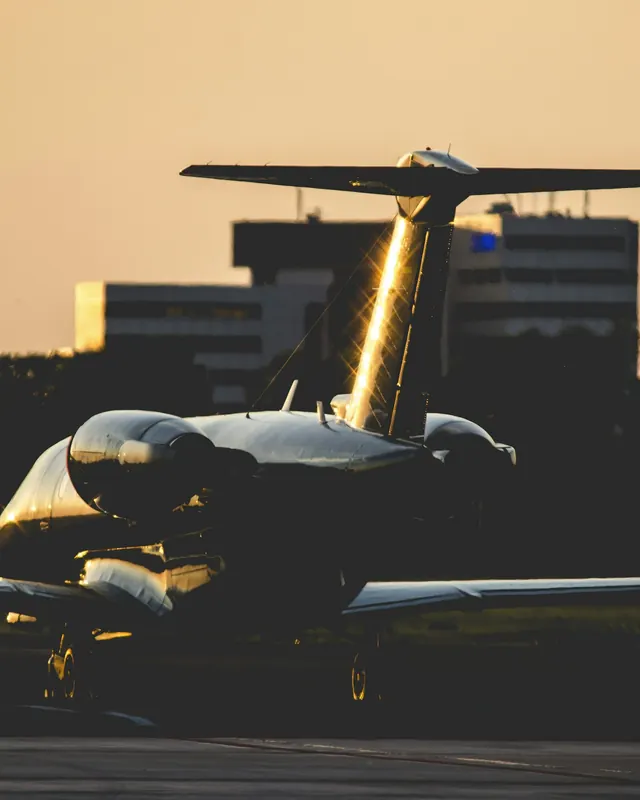
Business jet on the ramp at night with its tail lit

Category 03

Light jet

Typical aircraft: Phenom 300E, Citation CJ4, Learjet 75

Seats
6–8
Typical range
2,000–2,150 nm
Cabin height
4.8–4.9 ft
Per hour, est.
$3,500–5,500

The everyday choice for two to three hours in the air, such as New York to Palm Beach, with room for golf bags and weekend luggage.

Estimate a trip on a light jet
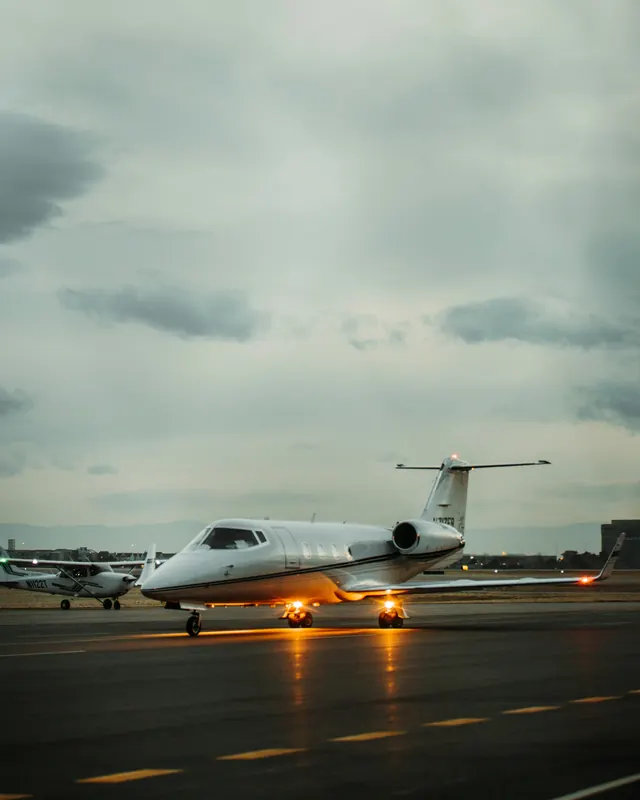
Business jet taxiing under a gray evening sky with its lights on

Category 04

Midsize jet

Typical aircraft: Citation XLS+

Seats
7–9
Typical range
~2,100 nm
Cabin height
about 5.7 ft
Per hour, est.
$4,500–7,000

More headroom and, on most aircraft, an enclosed lavatory. Comfortable for three to four hours, such as Dallas to Los Cabos.

Estimate a trip on a midsize jet
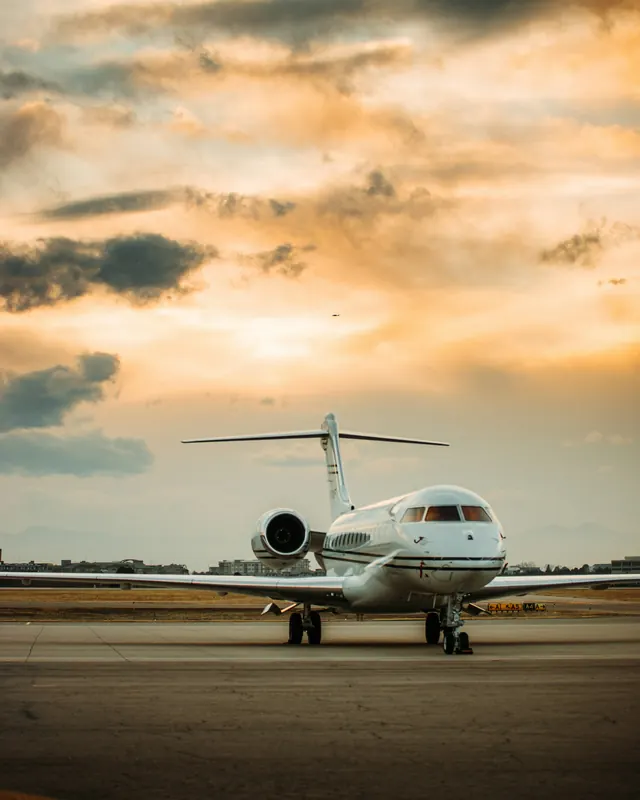
Business jet parked on the ramp under a golden sunset sky

Category 05

Super-midsize jet

Typical aircraft: Challenger 350, Citation Longitude, Praetor 600

Seats
8–10
Typical range
3,200–4,000 nm
Cabin height
about 6.0 ft
Per hour, est.
$6,500–9,500

A stand-up cabin and coast-to-coast range without a stop. A strong fit for New York to Aspen or to Los Angeles.

Estimate a trip on a super-midsize jet
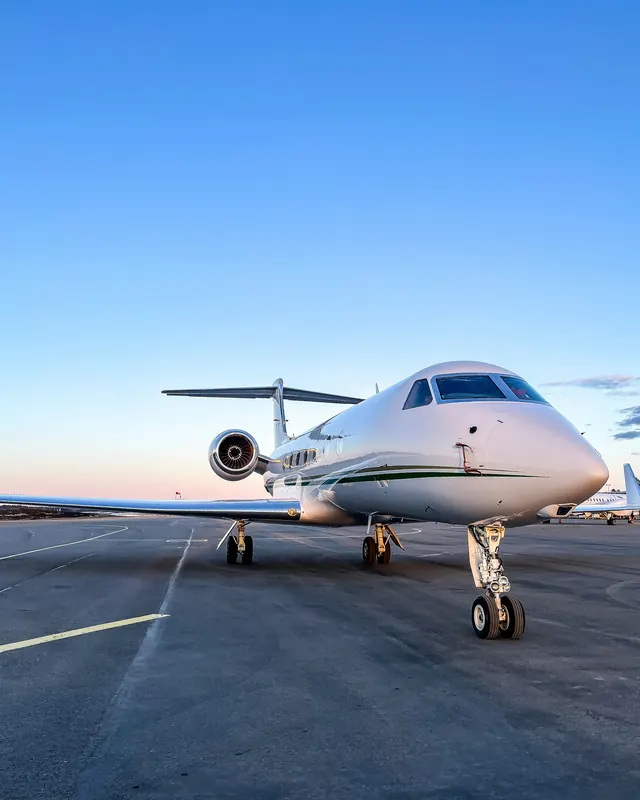
Large business jet on the ramp under a clear blue sky

Category 06

Large cabin jet

Typical aircraft: Gulfstream G450, Challenger 650, Falcon 2000LXS

Seats
10–16
Typical range
4,000–4,300 nm
Cabin height
6.0–6.2 ft
Per hour, est.
$8,500–13,000

Transatlantic range, a full galley and room to sleep. Longer trips are usually flown with a cabin attendant.

Estimate a trip on a large cabin jet
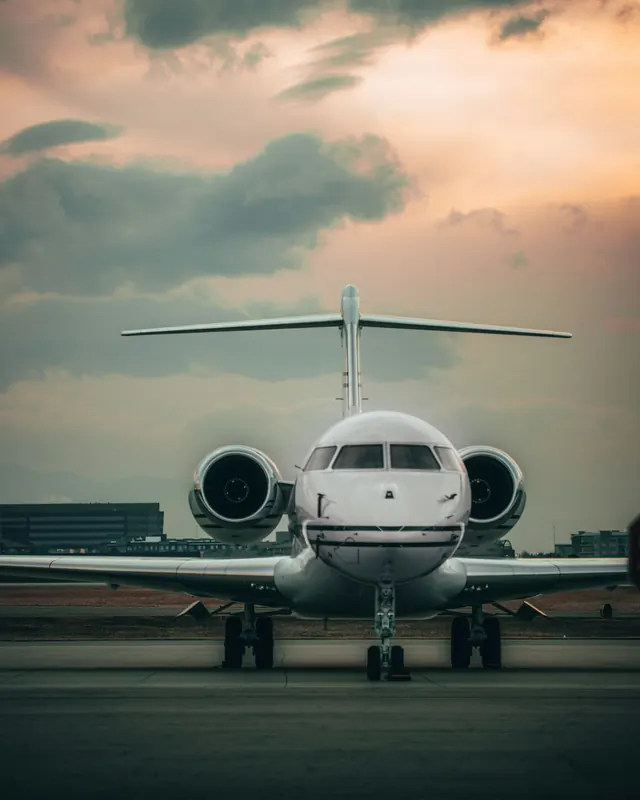
Business jet facing the camera on the ramp at dusk

Category 07

Ultra long range jet

Typical aircraft: Gulfstream G650ER, Global 7500

Seats
13–19
Typical range
7,500–7,700 nm
Cabin height
6.2 ft or more
Per hour, est.
$12,000–20,000+

Nonstop between continents, such as New York to Dubai, with separate zones for dining, work and sleep.

Estimate a trip on a ultra long range jet

At a glance

The categories side by side

Typical figures. Seats depend on the cabin layout; range falls with passengers, luggage, winds and runway conditions. Hourly rates are US market estimates before tax and fees.
CategorySeatsTypical rangeCabin heightPer hour, est.Typical aircraft
Turboprop6–9~1,800 nmabout 4.8 ft$1,800–3,200Pilatus PC-12, King Air 350
Very light jet4–51,400–1,550 nmabout 4.8 ft$2,800–4,200HondaJet, Citation M2
Light jet6–82,000–2,150 nm4.8–4.9 ft$3,500–5,500Phenom 300E, Citation CJ4, Learjet 75
Midsize jet7–9~2,100 nmabout 5.7 ft$4,500–7,000Citation XLS+
Super-midsize jet8–103,200–4,000 nmabout 6.0 ft$6,500–9,500Challenger 350, Citation Longitude, Praetor 600
Large cabin jet10–164,000–4,300 nm6.0–6.2 ft$8,500–13,000Gulfstream G450, Challenger 650, Falcon 2000LXS
Ultra long range jet13–197,500–7,700 nm6.2 ft or more$12,000–20,000+Gulfstream G650ER, Global 7500

Choosing

How to pick the right size

Start with the trip, not the aircraft. These five questions narrow the choice quickly.

  1. How far, and in what season?

    Range shrinks with headwinds, heavy loads and cold-weather fuel reserves. A trip near the edge of a category’s range often means a fuel stop; the next size up may fly it nonstop.

  2. Who is flying, and with what?

    Count passengers and bags together. Skis, golf clubs, strollers and large hard cases decide the aircraft as often as seat count does.

  3. Which airports?

    Short runways, high elevation and noise or size limits rule some aircraft out. Aspen, Saint-Tropez and Cannes are examples where the airport shapes the choice.

  4. How long in the cabin?

    Under two hours, most people are comfortable in a light jet. Beyond three, headroom, an enclosed lavatory and a galley start to matter.

  5. What is the budget?

    The hourly rate rises with size, but a larger aircraft that avoids a fuel stop can narrow the gap. Your quote shows both options when it is close.