Booking
Ten questions to ask before you book a charter
A charter quote can look simple and still leave a lot unsaid. These ten questions make sure you know who is flying you, what the price includes and what happens if plans change.
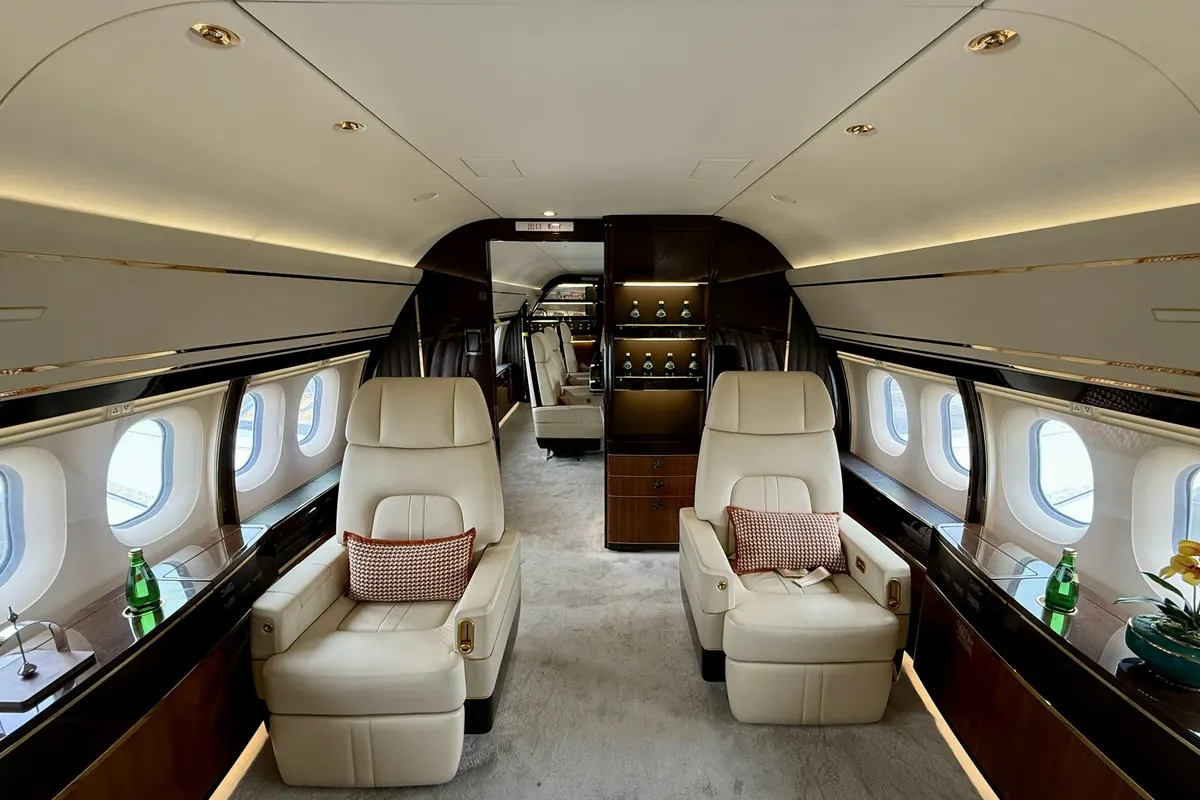
A charter quote can look simple: an aircraft, a date and a price. Behind it sit decisions about who operates the flight, what the price includes and what happens if plans change. A good quote answers all of them up front. These ten questions will tell you whether yours does.
Use them by phone or by email. A good answer is specific, written down and consistent with the charter agreement you will eventually sign. If an answer is vague, that is information too. The questions run in the order they usually matter: who flies you, what you pay, and what you get.
1. Who is the operating carrier?
A broker arranges your flight; an operator flies it. In the United States, an on-demand charter must be flown by an air carrier certificated under FAA Part 135, which holds operational control of the aircraft. Abroad, the national equivalent applies. The quote should name the operator. Listen for a specific company rather than a phrase such as “one of our partner operators”. Department of Transportation rules for brokers, set out in 14 CFR Part 295, are built around exactly that kind of disclosure. If the operator is based abroad, ask which authority certificates it, such as a national authority under EASA rules in Europe or the UK Civil Aviation Authority, and whether it holds the permits your route needs.
2. Which third-party audits does the operator hold?
ARGUS (Gold, Gold+ and Platinum), Wyvern (Wingman) and IS-BAO (Stages 1–3) audit operators against standards beyond the regulations, looking at safety management, training and history. None is required by law, and ratings change over time, so ask which ones the named operator holds today. A rating is a snapshot of the last audit, so the date matters as much as the badge.
3. Is the price all-in?
Domestic US flights carry a 7.5% federal excise tax and a segment fee of about $5 per passenger for each leg. Then come landing and handling fees, repositioning, crew overnights and daily minimums. An all-in quote includes everything known in advance and flags what is variable, such as de-icing, so the number you approve is the number you plan around. Ask to see the lines, not only the total. When two quotes differ, the lines show whether the gap is the aircraft, the positioning or simply what one of them left out. On international trips, ask which foreign taxes and fees are included.
4. Which aircraft, exactly?
A category such as “midsize jet” covers several models with different cabins. Ask for the specific type, the year it was built or refurbished, the seating layout and photos of the aircraft itself or the same model. Two aircraft of the same type can be fifteen years and a full cabin refit apart, so if the photos show the model rather than the actual aircraft, ask whether the interior matches.
5. What happens if the aircraft has a mechanical problem?
Even well-maintained aircraft occasionally need unscheduled work. Ask how a replacement aircraft is sourced and who pays any difference in cost. The answer belongs in the charter agreement, not in a phone conversation. Look for a commitment to find a comparable aircraft and a clear statement of how any price difference is handled.
6. What is the cancellation policy?
Charter agreements usually set cancellation fees by how much notice you give. Read that schedule before you sign, especially for trips around holidays or events, when aircraft are booked early. Ask, too, what happens if weather or an airport closure cancels the flight rather than your own change of plans. Payment timing belongs in the same conversation: when the balance is due, and how a refund would be made.
7. Are there repositioning costs or daily minimums?
If the aircraft starts away from your departure airport, the flight to reach you is part of the cost. On round trips with days in between, operators often bill a daily minimum of one to two hours plus crew overnights. A clear quote shows these lines rather than folding them into one figure without explanation. For a Friday departure and a Sunday return, compare the aircraft waiting with the aircraft flying home and coming back; your advisor can price both.
8. What luggage fits?
Baggage space varies widely between aircraft, and seat count is not a guide to it. Mention skis, golf bags, strollers or large hard cases at the start. Soft bags fit small baggage compartments far better than rigid ones. On smaller aircraft weight matters as well as volume, particularly on hot days and at high-elevation airports such as Aspen, where performance limits can restrict the load.
9. Can my pet come?
Many aircraft accept pets, subject to the operator’s approval. Share the number, size and breed of each animal, ask whether a carrier is needed, and check the entry rules of your destination if you are flying abroad. Policies differ between operators: some ask for a carrier during takeoff and landing, and some limit the number of animals on board.
10. What will be on board?
Wi-Fi ranges from none to fast satellite service depending on the system fitted. Catering is ordered in advance and may be priced separately. If either matters, have it written into the quote. For video calls, ask whether the system supports them on your route, since coverage can differ over oceans and remote areas.
The quote checklist
| Item | What to look for |
|---|---|
| Operator | Named, with a Part 135 certificate or its foreign equivalent |
| Aircraft | Type, year, seats and photos |
| Flight time | Each leg, with any fuel stop shown |
| Taxes | 7.5% federal excise tax on domestic legs and segment fees |
| Fees | Landing, handling, repositioning, overnights and daily minimums |
| Variables | De-icing, catering and Wi-Fi marked as estimates |
| Terms | Payment schedule, cancellation fees and the replacement-aircraft process |
None of these questions is awkward to ask. A broker who expects them will have the answers in writing before you need them, and the quote will read as clearly as an itinerary. That clarity is the real measure of whether a charter is well arranged.