Airports
FBOs explained: the private terminal, step by step
Every private flight starts and ends at a fixed-base operator. Here is what an FBO is, how it differs from an airline terminal, and how to move through one with ease.
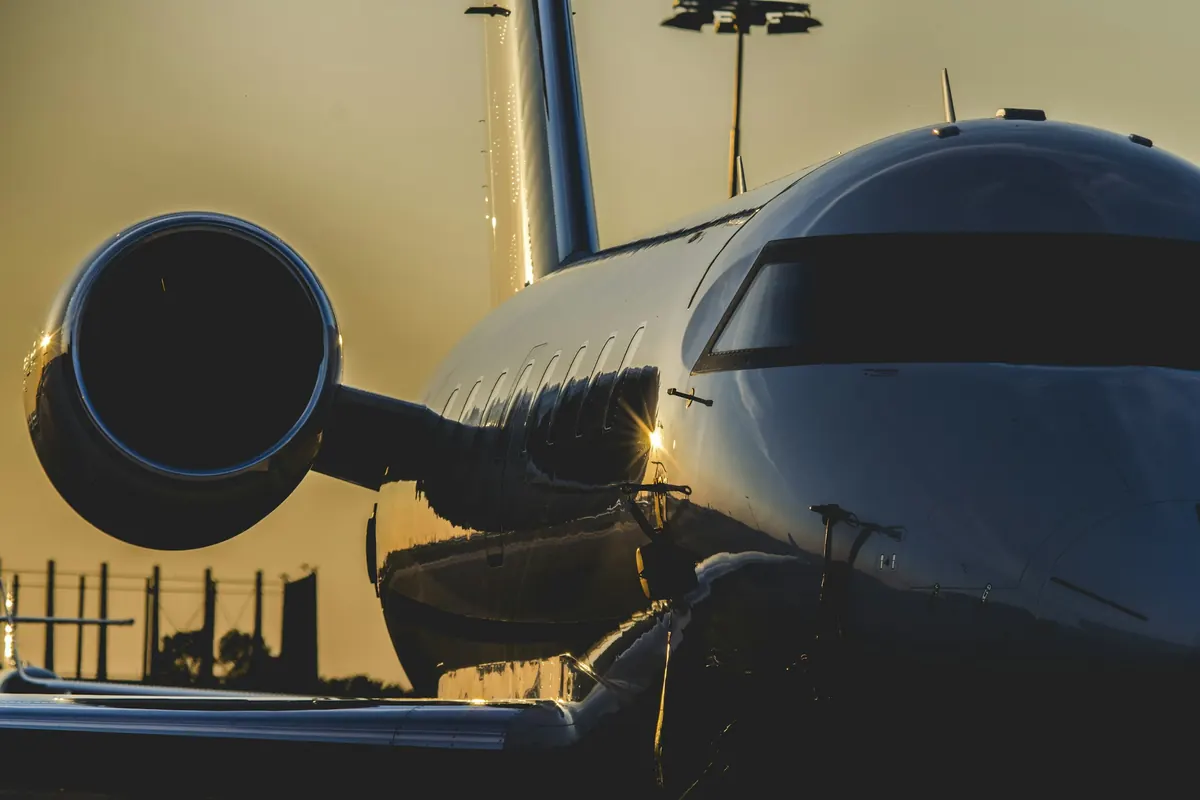
Every private flight begins and ends at a fixed-base operator, usually shortened to FBO. If the name sounds technical, the idea is simple: the FBO is the private terminal, together with the company that runs it. Knowing how one works takes most of the uncertainty out of your first charter.
What an FBO is
An FBO is a business based at an airport that serves general and business aviation. It sells fuel, parks and hangars aircraft, and handles passengers and crews. Some also maintain aircraft. The passenger side is what you will see: a lounge, a front desk, restrooms, meeting rooms at larger sites, and staff who meet the aircraft and move your luggage.
Busy business airports such as Teterboro, Van Nuys and Palm Beach have several FBOs, each with its own building, ramp and entrance. Smaller airports may have one. That is why your itinerary names a specific FBO and its street address rather than just the airport.
Who chooses the FBO
Usually the operator. Fuel arrangements, handling agreements and the crew’s familiarity with a facility all play a part. You can ask for a particular FBO, for example one closer to where you are staying or one that allows cars on the ramp, and your advisor will check whether the operator can use it. A different FBO can change handling fees slightly, so the request belongs before the quote is final.
Price is not the only difference between them. One FBO may sit on the far side of the field from the main road, another may have customs on site, and a third may be the only one that can hangar a large aircraft overnight in winter. Your advisor weighs these details with the operator so the choice suits the trip.
What you will find inside
FBOs range from a small, quiet building to something closer to a boutique hotel lobby. Expect comfortable seating, restrooms, coffee and water, and Wi-Fi. Larger facilities add conference rooms, showers and a concierge desk that can arrange cars or restaurant bookings. Behind the scenes there is usually a pilots’ lounge and a flight planning room where the crew checks weather and files the flight plan, which is part of why the crew arrives well before you do.
Departing, step by step
- Arrive at the entrance. Give your driver the FBO’s name and address from the itinerary. Most travelers arrive 15 to 30 minutes before departure.
- Check in at the desk. Staff confirm your name against the passenger manifest and check photo ID, and passports on international trips.
- Hand over your luggage. Line staff or the crew take it to the aircraft. There is no bag drop and no weighing queue.
- Wait in the lounge, briefly. When the aircraft is ready, a member of staff or the crew walks you out, or your car is escorted to the aircraft where the FBO allows it.
- Board. After the safety briefing, the aircraft taxis out.
Arriving, step by step
The aircraft taxis to the FBO named on your itinerary. Ground staff guide it in, place chocks and open the door. If you arranged a car, it is often waiting at the aircraft or at the terminal door, and your luggage is moved straight into it. If you need a rental car, the FBO can usually have it ready at the building.
International arrivals
Flights arriving in the United States from abroad must clear customs at an airport where U.S. Customs and Border Protection provides service. At some airports officers meet the aircraft or process passengers inside the FBO; at others, passengers walk to a nearby customs facility. Everyone remains with the aircraft until it is cleared. The operator files the passenger manifest before departure, so the information you give your advisor needs to match your passports exactly.
Leaving the United States works differently. There is no outbound passport control of the airline kind, but the operator still files the manifest and the crew checks passports before boarding. Some destinations also require landing permits arranged in advance, which the operator obtains as part of planning the trip.
Busy days
Holiday weekends and major events fill ramps quickly. At the busiest times, some airports and FBOs ask operators to reserve aircraft parking in advance, and arrival or departure times can be tighter than usual. Your operator makes those arrangements, but it helps to confirm plans early and to be on time on the day, since a missed departure window can mean a longer wait.
FBO and airline terminal, compared
| Airline terminal | Private terminal (FBO) | |
|---|---|---|
| Arrive before departure | Commonly 90 minutes to 2 hours | 15 to 30 minutes |
| Security | Airport screening checkpoint | ID checked against the manifest |
| Luggage | Checked at a counter, collected at a carousel | Handed to the crew, loaded at the aircraft |
| To the aircraft | Gate, jet bridge or bus | A short walk, or by car where allowed |
| Lounge | Paid or by status | Part of the terminal |
The fees behind the scenes
FBOs charge operators for handling, parking and services such as hangar space on cold nights, de-icing, catering delivery and lavatory service. Some reduce handling fees when the aircraft buys fuel. These costs are real, and they differ from one airport to the next, which is one reason two quotes for the same route can vary. In an all-in quote, the fees known in advance are already included; anything variable, such as de-icing, is flagged.
Small things that help
- Save the FBO’s name and address on your phone before you leave; it is not the airline terminal.
- If your car needs to reach the aircraft, ask in advance. Ramp access depends on the airport and the FBO.
- Traveling with a dog? Many FBOs have a relief area; ask the desk when you arrive.
- Collecting someone? Use the FBO’s entrance and the passenger’s name; staff can tell you when the aircraft lands.
- Driving yourself? Many FBOs have parking for passengers’ cars near the door. Ask about any charge, and whether the car can meet the aircraft on your return.
Once you have walked through one FBO, the rest feel familiar. The layout changes from airport to airport; the rhythm of arrive, check in, hand over bags and board stays the same.